
- Checkout Our latest Blog Collections
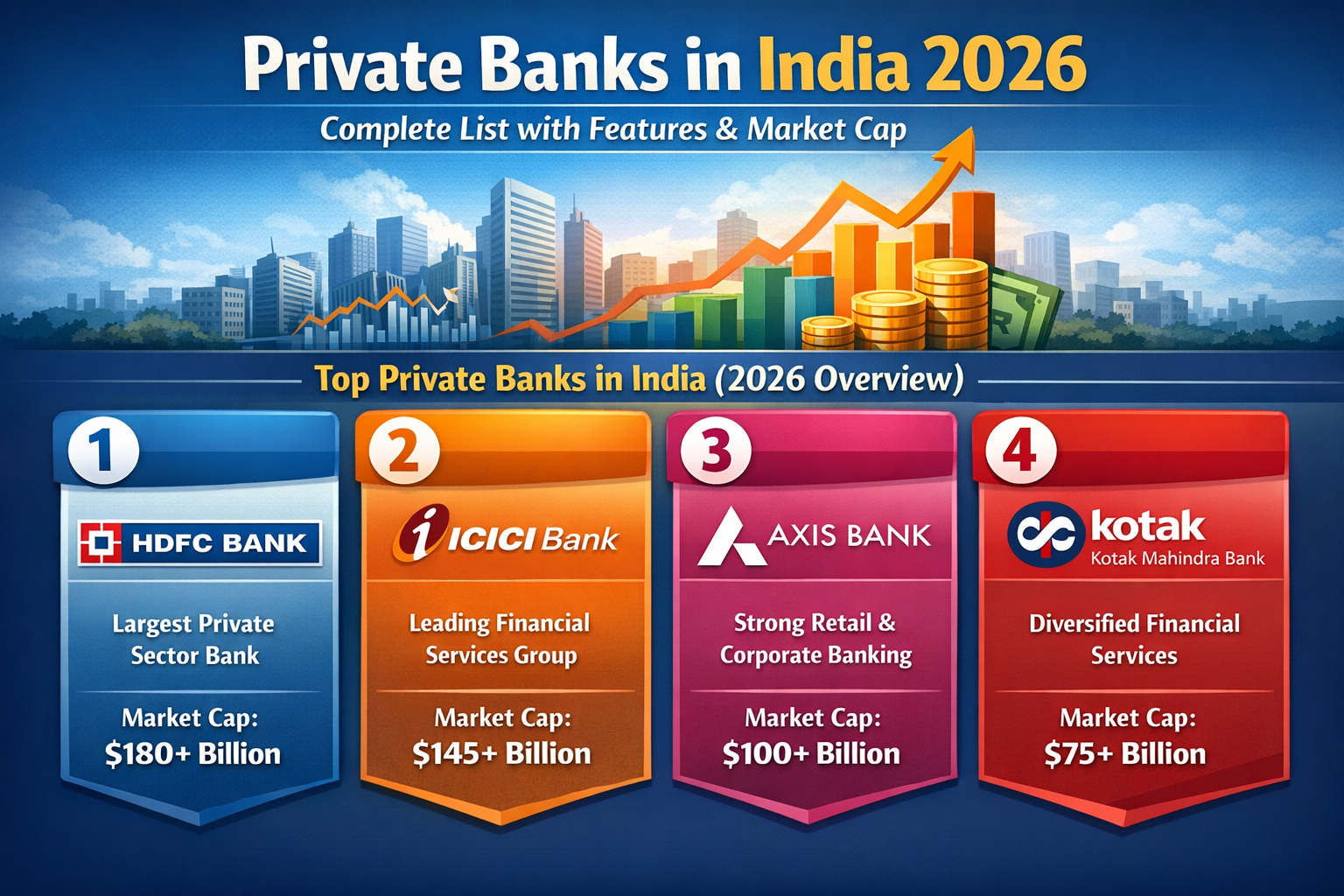
Private banks in India play a pivotal role in the country’s financial landscape. Unlike public sector banks, private banks are owned by private entities or individuals, often emphasizing innovation, digital banking, customer service, and efficiency. As of 2026, there are around 21 private sector banks in India, regulated by the Reserve Bank of India (RBI).
These banks have grown significantly, especially after economic liberalization in the 1990s, and now dominate in areas like retail banking, digital payments, credit cards, and personal loans. The largest ones lead in market capitalization, branch networks, and technological adoption.
Here are some of the leading private banks, ranked primarily by market capitalization (approximate figures as of early February 2026, in ₹ lakh crore, based on recent market data):
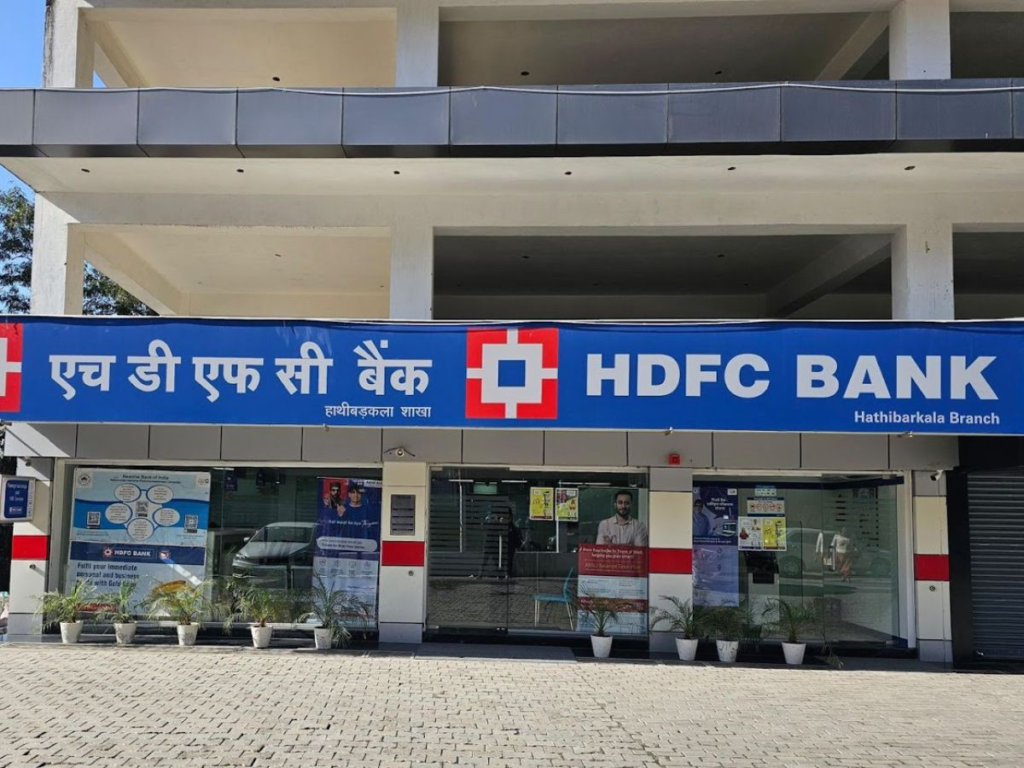
The undisputed leader among private banks in India. It became even larger after merging with its parent HDFC Ltd. Known for excellent customer service, vast ATM/branch network, strong digital app, and low non-performing assets. It’s often ranked as India’s largest bank by market cap.
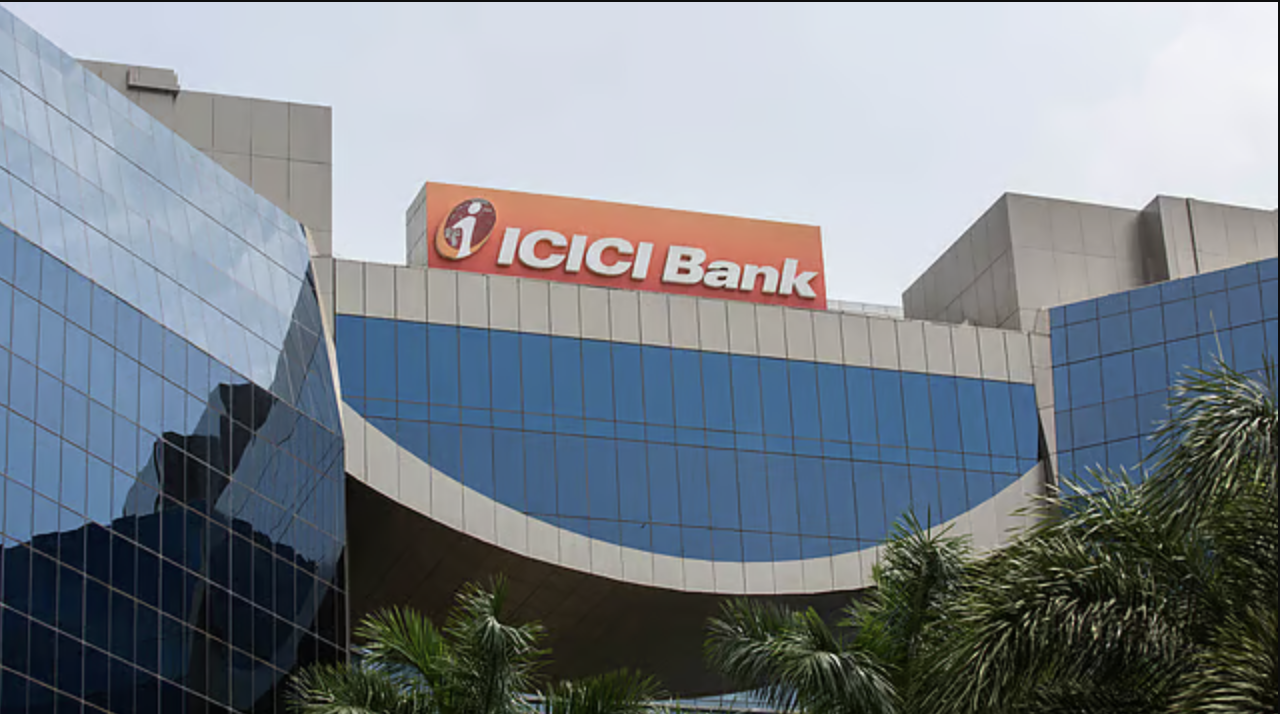
A technology-driven powerhouse with innovative products, robust online banking, and a wide range of services from retail to corporate banking. It excels in digital initiatives and has a strong presence across urban and semi-urban areas.
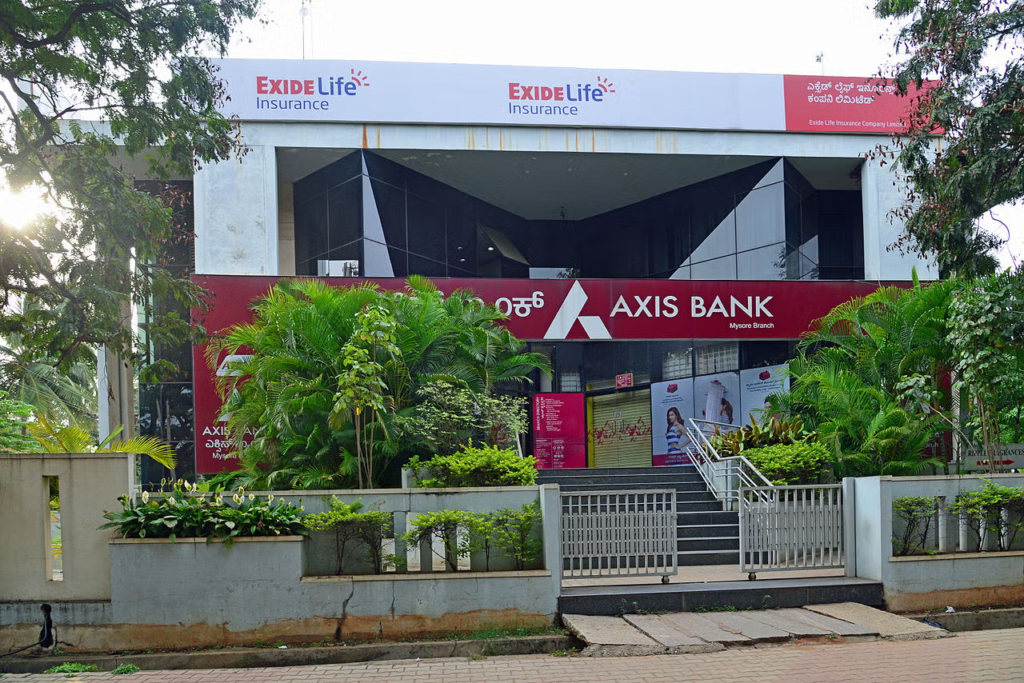
One of the top three private banks, offering excellent credit cards, home loans, and digital services. It has a modern approach and strong presence in both retail and corporate segments.
Known for premium banking, wealth management, and innovative products. It appeals to high-net-worth individuals and has grown rapidly in digital and unsecured lending spaces.
(Data approximate as of February 2026, based on recent market updates from sources like BSE, NSE, and financial platforms. Market caps in ₹ lakh crore; figures fluctuate daily.)
| Rank | Bank Name | Market Cap (₹ lakh crore) | Approx. Share Price (₹) | Key Strengths & Features | Best For | Branch/ATM Network (Approx.) |
|---|---|---|---|---|---|---|
| 1 | HDFC Bank | ~14.4 – 14.8 | ~937 – 946 | Largest private bank; seamless digital app, vast retail products, credit cards, low NPAs, post-merger scale | Everyday banking, savings, loans, premium services | 9,000+ branches, 21,000+ ATMs |
| 2 | ICICI Bank | ~9.9 – 10.0 | ~1,396 – 1,406 | Excellent iMobile app, strong retail/SME focus, wealth management, international services, consistent growth | Digital-savvy users, expats, corporate banking | Extensive pan-India presence |
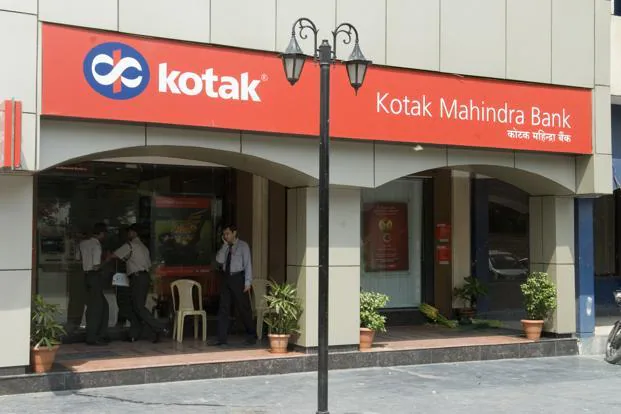
| 3 | Kotak Mahindra Bank | ~4.2 – 4.3 | ~428 – 429 | Premium/wealth management expertise, innovative digital tools, high customer satisfaction in urban areas | High-net-worth individuals, investments, mutual funds | Strong urban & premium focus |
| 4 | Axis Bank | ~4.1 – 4.2 | ~1,341 – 1,342 | Diversified (retail + corporate), top credit cards/loans, growing digital presence, business banking | Credit cards, business accounts, high-value loans | Wide national coverage |
| 5 | IndusInd Bank | ~0.7 – 1.0 | ~900 – 928 | Vehicle finance specialist, SME lending, premium retail, solid digital app | Niche segments like auto/SME, premium customers | Focused on growth areas |
However, public banks like SBI may offer more branches in rural areas and slightly higher security perception for some customers.
India’s private banking sector continues to evolve with fintech partnerships, AI-driven services, and expansion into underserved markets. Whether you’re opening a savings account, applying for a loan, or investing, these top players offer reliable options.
Excellent Work
Certified Team
Quick Turnaround
Most Experienced