
- Checkout Our latest Blog Collections
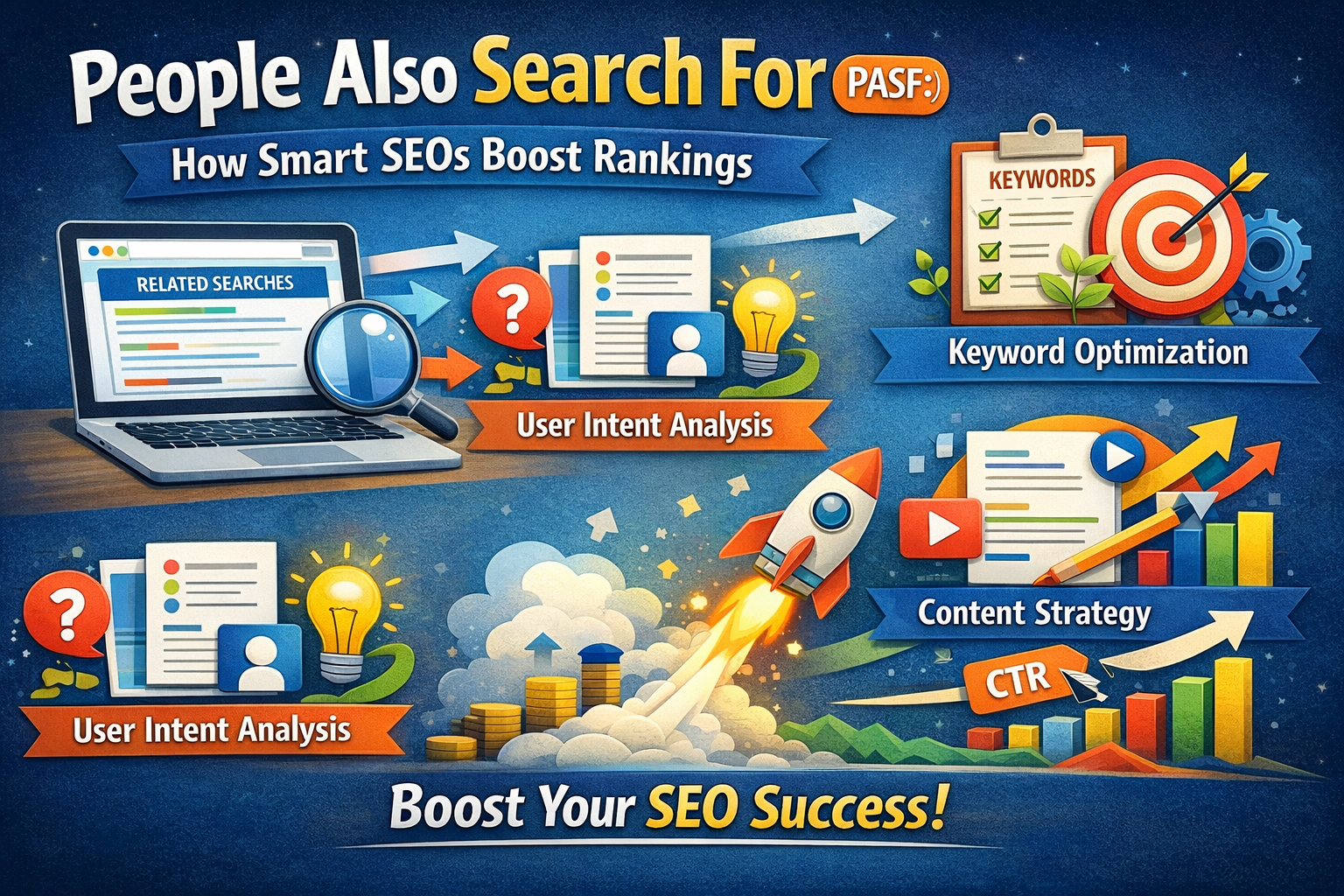
If you use Google often, you may have seen a section called People Also Search For. It usually appears after you click on a search result and then return back to Google.
But what does it actually mean?
Why does Google show it?
And how can you use it to improve your website traffic?
In this guide, I will explain everything in a very simple way.
“People Also Search For” (often called PASF) is a Google search feature.
It shows a list of related search terms that other users looked for after searching the same topic.
In short:
It helps users find better or more specific information.
Google’s main goal is simple:
To help users find the best answer quickly.
Sometimes the first result you click may not fully answer your question. When you return to Google, it understands that you might still be searching.
So it shows:
This helps users save time and find what they really need.
“People Also Search For” usually appears:
It is different from:
Each feature works slightly differently.
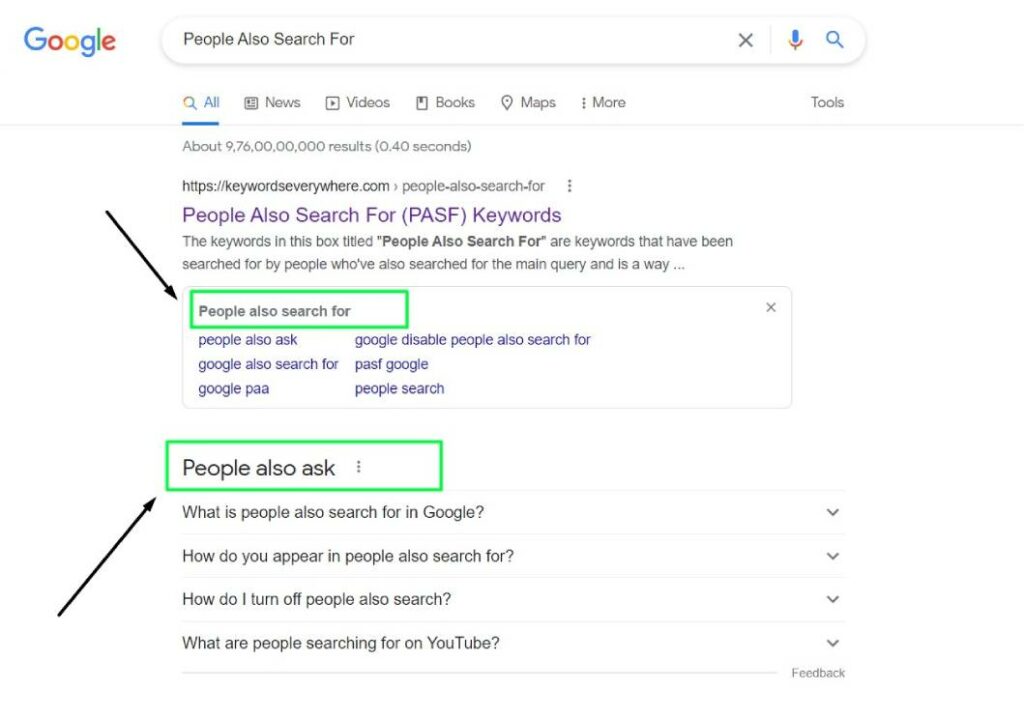
Many people confuse these two features.
Let’s make it simple:
Both are helpful for SEO, but they work differently.
If you have a website or blog, this section is very powerful.
Here’s why:
PASF shows real searches from real users.
That means:
You can use them to create new content.
Search intent means what the user really wants.
For example:
If someone searches:
“Best running shoes”
And PASF shows:
Now you understand that users want specific types.
This helps you write better, more targeted content.
You don’t always need to create new posts.
You can:
This can increase your rankings.
Let’s keep it simple.
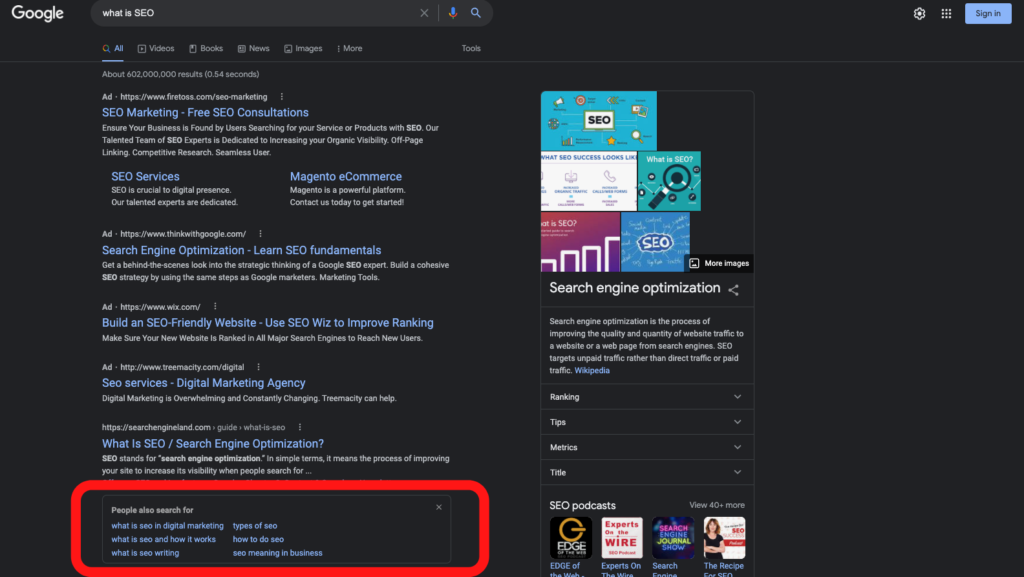
Go to Google and type your main topic.
Example:
“Digital marketing tips”
Open one of the search results.
Press the back button.
Now look under the result.
You may see “People Also Search For.”
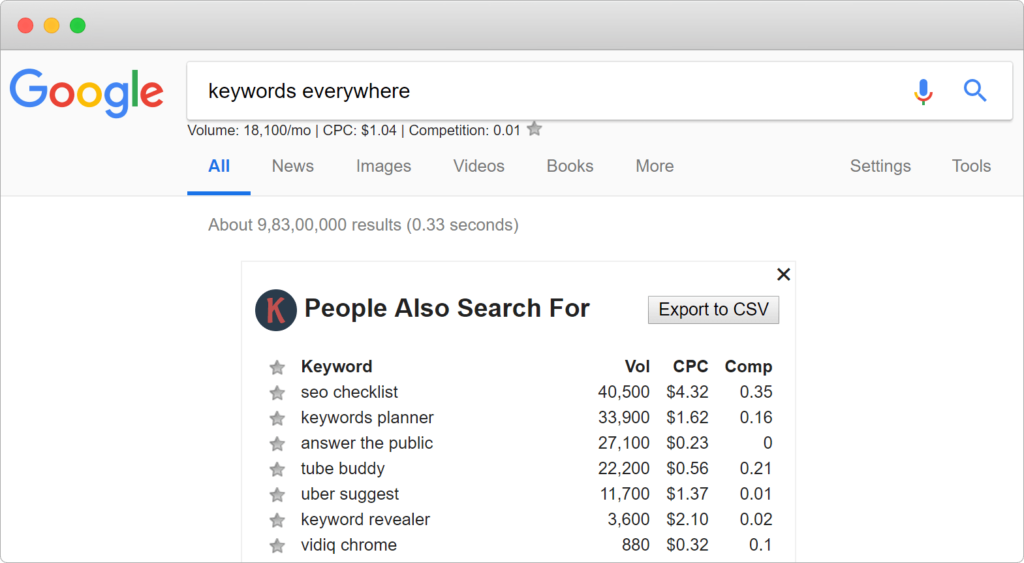
Collect those keyword ideas.
Use them for:
Here’s a simple strategy.
Let’s say your topic is:
“Weight loss for beginners”
And PASF shows:
You can:
This makes your content more complete.
No.
Google does not rank you just because you use PASF keywords.
But it helps indirectly by:
And better content often ranks higher.
Here are simple tips:
Do not repeat keywords too many times.
Keep writing natural and helpful.
Ask yourself:
Does this help the reader?
If yes, include it.
PASF keywords are great for:
Use PASF along with:
This gives you more complete data.
Many beginners make these mistakes:
Just adding keywords without understanding what users want.
Do not copy content word-for-word.
Adding keywords without real explanation will not help.
Google prefers useful and detailed content.
Yes.
Google continues to focus on user behavior.
Features like:
Are all based on real user activity.
As long as people search online, this data will stay valuable.
“People Also Search For” is a simple but powerful feature.
It helps:
The best part?
It is free.
You don’t need expensive tools to find these ideas.
Just search, click, go back — and observe.
If you use PASF the right way, you can create better content, match user intent, and grow your website traffic over time.
Start today.
Open Google.
Search your topic.
And explore what people also search for.
Excellent Work
Certified Team
Quick Turnaround
Most Experienced